
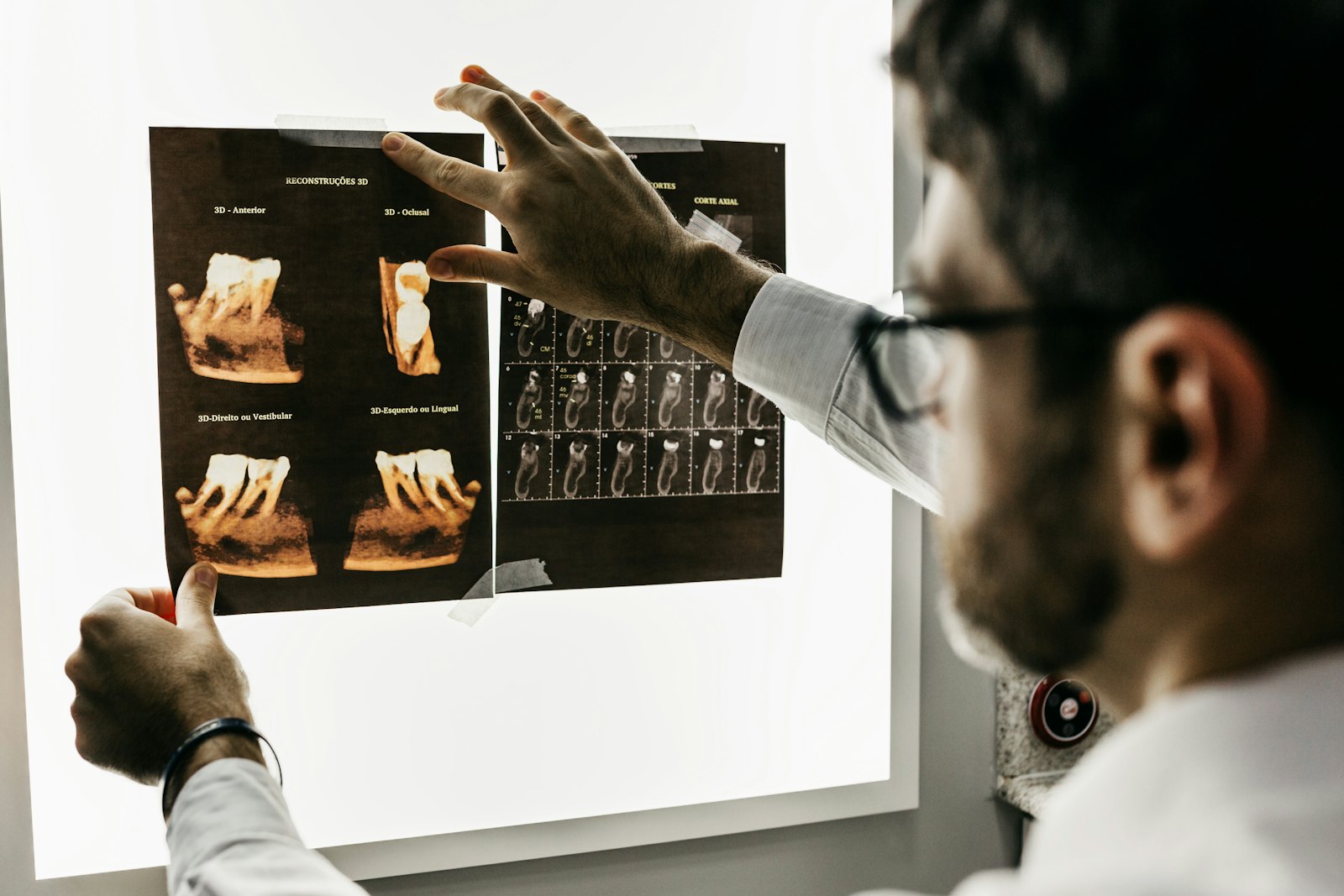
Most people don’t love going to the dentist. I get it. You notice something weird in your mouth, you poke it with your tongue for two days straight, you Google it at midnight, and then you tell yourself…
“It’ll probably go away.”
Sometimes it does.
But a lot of the time? Teeth don’t work like that. Small stuff turns into expensive stuff. Quiet problems turn into pain. And the worst part is that your mouth is really good at “kind of coping” right up until it can’t anymore.
So, here are nine signs you should book a dental appointment instead of waiting it out.
And yeah, some of these might sound obvious. But you’d be surprised how many people try to push through them.
1) Tooth pain that comes back (even if it’s mild)
Tooth pain is not always dramatic. Sometimes it’s just a little zing when you chew on one side. Or a dull ache that shows up at night. Or that “tap” feeling when you bite down and it’s like… nope, not that tooth.
If it’s recurring, your tooth is trying to tell you something.
Common reasons:
- A cavity that’s getting deeper
- A crack in the tooth (these can be sneaky)
- An inflamed nerve, sometimes heading toward needing a root canal
- Gum issues that refer pain into the tooth area
Even if the pain disappears for a while, it can still be progressing underneath. When a tooth nerve starts dying, pain can actually reduce temporarily. That’s not “healing”. That’s the tooth getting worse in a quieter way.
If you’re experiencing any of these symptoms, it’s crucial to seek professional help rather than waiting it out. For those in Etobicoke, consider scheduling a dental exam with Mabelle Dental, where they offer personalized oral health assessments and preventive care using advanced digital imaging technology. No mystery. No guessing.
2) Sensitivity to hot or cold that lingers
A quick cold sensitivity that goes away in a second can be simple, like mild enamel wear or gum recession.
But if you sip coffee and the tooth aches… and it hangs around? Or cold water hits and it feels sharp, then slowly fades over 10 to 30 seconds?
That’s a different story.
Lingering sensitivity can mean:
- A deeper cavity approaching the nerve
- An old filling that’s leaking or cracked
- Early stages of nerve inflammation
- Gum recession exposing root surfaces
And here’s the thing. People adapt. They stop chewing on that side. They drink lukewarm water. They avoid ice cream.
Which is impressive. But it’s not a plan.
3) Bleeding gums when you brush or floss (not just once)
A little blood once because you flossed aggressively after months of not flossing? Sure. That can happen.
But bleeding gums that keep happening is usually a sign of inflammation. And inflammation in the gums is often the start of gum disease.
Look for:
- Bleeding when brushing
- Bleeding when flossing
- Puffy gum edges
- Tenderness around certain teeth
- Bad breath that won’t quit (more on that soon)
Gum disease is one of those problems that can be quiet for a long time. You may not feel “pain”. But over time it can affect the bone that holds your teeth in place.
The earlier you catch it, the simpler it is to manage. A professional cleaning and a hygiene routine adjustment can make a massive difference.
Mabelle Dental Etobicoke offers dental hygiene care and can show you what’s actually happening around your gums, not just “brush better” and send you home. That’s the kind of guidance people usually need.
4) Swollen gum, pimple on the gum, or a weird bump
This is one people ignore because it doesn’t always hurt.
A small pimple-like bump on the gum (sometimes it comes and goes, sometimes it tastes weird) can be a sign of an infection draining from inside the tooth.
It might look like:
- A tiny white bump near a tooth root
- A soft swelling that’s sensitive to touch
- A spot that releases fluid if pressed (please don’t press it all day, I know it’s tempting)
This can be related to an abscess. And even if it’s draining and “not painful”, it still needs treatment. Infections don’t politely stay in one place forever.
This is one of those times where you should treat it as urgent, not “I’ll mention it at my next cleaning in 8 months.”
If you’re unsure, book an appointment with an emergency dentist. Mabelle Dental Etobicoke includes emergency dentistry among their services, and having evening or weekend hours helps when things pop up at the worst time.
https://mabelledental.com/

5) Bad breath that keeps coming back (even after brushing)
Persistent bad breath is awkward. People buy gum, mouthwash, fancy toothpaste, tongue scrapers, you name it.
But if it keeps returning, it’s often not a “breath” problem. It’s a bacteria problem.
Common dental-related causes include:
- Gum disease
- Plaque and tartar buildup below the gumline
- Decay trapped between teeth
- Old dental work with leakage
- Dry mouth (which can increase cavity risk too)
Mouthwash can mask it for an hour. It doesn’t remove what’s causing it.
A cleaning can help. But sometimes you need more than just cleaning, you need to address gum pockets or decay. That’s where an exam and proper diagnosis matters.
6) Pain when chewing, or your bite feels “off”
When your teeth line up normally, chewing should feel boring. You should not be thinking about it.
So if you bite down and feel:
- A sharp pain on one tooth
- Pressure sensitivity (like the tooth is bruised)
- A sudden change in how your teeth meet
- A feeling like something is “too high” after a filling
- Clicking or soreness around the jaw joint
That’s a reason to come in.
Pain on chewing can signal a cracked tooth, a failing filling/crown, or even issues with how forces are hitting the tooth. Catching cracks early can sometimes mean a crown instead of an extraction later. But waiting can split a tooth beyond repair.
And if your bite feels off, it can also be a sign you’re clenching or grinding, which quietly wears teeth down over time.
7) A filling fell out, or you have a cracked tooth (even if it doesn’t hurt)
This is the classic “it’s not hurting so I’m fine.”
But a lost filling means the tooth is exposed. Food packs in. Bacteria gets in. And the tooth can fracture more easily.
Same thing with a crack. Teeth can crack in different ways:
- Tiny enamel cracks (sometimes cosmetic)
- Cracks that reach dentin (more sensitive)
- Cracks that travel toward the root (serious)
Sometimes the tooth is painless because the crack hasn’t irritated the nerve yet. That “yet” is doing a lot of work.
If you’ve chipped a tooth, cracked a cusp, or lost a filling, get it assessed. Restorative care like dental crowns can protect a weakened tooth before it becomes an emergency.
Mabelle Dental Etobicoke offers crowns and restorative treatments, and if you’re the type who wants a clear explanation and options, that’s basically their whole vibe.
https://mabelledental.com/
8) You have a tooth that looks darker, or your gums are pulling back
Visual changes matter. Even small ones.
A darker tooth can mean:
- Past trauma (even from years ago)
- The nerve is damaged or dying
- Internal staining after dental work
- Decay under the surface
Receding gums can happen gradually, so people don’t always notice. Then one day you look closely and think, “Wait. Were my teeth always this long?”
Gum recession can lead to serious issues such as sensitivity, higher cavity risk near the root, an aged-looking smile, and increased risk of gum disease progression. It’s important to address these signs early on because diagnosis is much easier before things escalate.
If you’re experiencing significant gum recession, it could be time to consider options like dental implants which can help restore your smile and oral health.
Also, cosmetic options exist if appearance is part of what’s bothering you. Whitening, veneers, bonding. But it’s smart to confirm everything is healthy first before doing cosmetic work.
Mabelle Dental Etobicoke lists teeth whitening and dental veneers as services, which can be great, but again. Start with the health check. Always.
9) You’re missing a tooth (or one is so loose you avoid using it)
Missing teeth aren’t just about appearance.
When a tooth is gone, other teeth can drift into the space. Your bite changes. Chewing forces shift. The jawbone in that area can start losing volume over time.
And loose teeth? That’s a big sign. Teeth generally don’t become loose without a reason.
Possible causes:
- Advanced gum disease
- Trauma
- Severe bone loss
- Infection
- Bite or grinding issues
If you’ve lost a tooth already, it’s worth talking about replacement options like:
- Dental implants
- Dentures (partial or full)
- Bridges (depending on the situation)
Mabelle Dental Etobicoke offers implants and dentures, which is useful because the “right” option depends on your bone, your bite, and your long-term goals. Not just budget, not just what you saw on TikTok.

If you’re still debating, use this.
Book sooner (like, this week) if you have:
- Swelling in the gums or face
- A gum pimple or pus taste
- Tooth pain that wakes you up
- Pain when chewing
- A broken tooth or lost filling
- Bleeding gums that keep happening
And if you have fever, trouble swallowing, or swelling that’s spreading, treat it as urgent. Dental infections can become medical issues.
If any of these signs hit a little too close to home, just book the appointment. Even if it turns out to be nothing. That’s a good outcome too.
You can check out Mabelle Dental Etobicoke here: https://mabelledental.com/
They offer preventive care, emergency dentistry, root
FAQs (Frequently Asked Questions)
Why should I not ignore mild or recurring tooth pain?
Mild or recurring tooth pain is your tooth’s way of signaling an issue. It could be due to a deepening cavity, a hidden crack, nerve inflammation possibly leading to a root canal, or gum problems causing referred pain. Even if the pain fades temporarily, the underlying problem may be worsening silently, so it’s important to get a dental exam with digital imaging for accurate diagnosis and treatment planning.
What does sensitivity to hot or cold that lasts mean?
Lingering sensitivity to hot or cold—such as coffee causing aching or cold water triggering sharp pain that fades slowly—can indicate deeper dental issues like cavities nearing the nerve, leaking or cracked fillings, early nerve inflammation, or gum recession exposing roots. Avoiding triggers is not a solution; professional dental care is needed to address these problems before they worsen.
Is bleeding gums during brushing or flossing a serious concern?
Repeated bleeding gums during brushing or flossing usually signal gum inflammation, often the start of gum disease. Other signs include puffy gum edges, tenderness around teeth, and persistent bad breath. Gum disease can quietly damage the bone supporting your teeth over time. Early detection through professional cleaning and tailored hygiene guidance can effectively manage and reverse these issues.
What does a swollen gum, pimple on the gum, or weird bump indicate?
A small pimple-like bump on the gum near a tooth root often indicates an infection draining from inside the tooth, such as an abscess. These bumps may be soft, sensitive to touch, and sometimes release fluid. Even if not painful, this condition requires urgent dental treatment as infections can spread if left untreated. Emergency dentistry services are recommended for timely care.
Why is it important to book a dental appointment instead of waiting out symptoms?
Teeth and gums can ‘cope’ quietly until problems become severe and painful. Small issues like mild pain or sensitivity often progress into more expensive and complex treatments if ignored. Early dental exams with clear imaging help catch problems early, prevent complications, and save time and money in the long run.
What services does Mabelle Dental Etobicoke offer for dental concerns?
Mabelle Dental Etobicoke provides comprehensive dental exams with digital imaging for accurate diagnosis and straightforward treatment planning. They offer dental hygiene care with personalized guidance beyond just brushing advice. Their services include emergency dentistry with convenient evening and weekend hours to address urgent dental issues promptly.


